
QQD: My Cinematography Framework for Lighting Any Visual Project
Let’s clarify something upfront: QQD isn’t just a quick hack. It’s a fundamental lighting mindset that shapes how I approach every frame, from Nike commercials to indie films. QQD stands for Quality, Quantity, and Direction—the three pillars I use to sculpt light, build atmosphere, and serve the story.
Think of it this way: actors use voice and expression. Musicians use phrasing and dynamics. As cinematographers, light is our primary language. Whether I'm harnessing natural light or designing a complex stage setup, QQD is the framework that keeps my choices intentional and my visuals compelling.

Using natural light to set the tone.
Why QQD Matters: Moving From Flat to Cinematic
Understanding how to craft light intentionally is what separates flat, unappealing visuals from cinematic imagery that draws an audience in and keeps them engaged. More than technique, it’s about emotional storytelling. A strong cinematographer reads the script on an emotional level and uses their craft—lighting being paramount—to visually fulfill the project’s narrative needs.
QQD gives me the vocabulary to translate emotion into light.
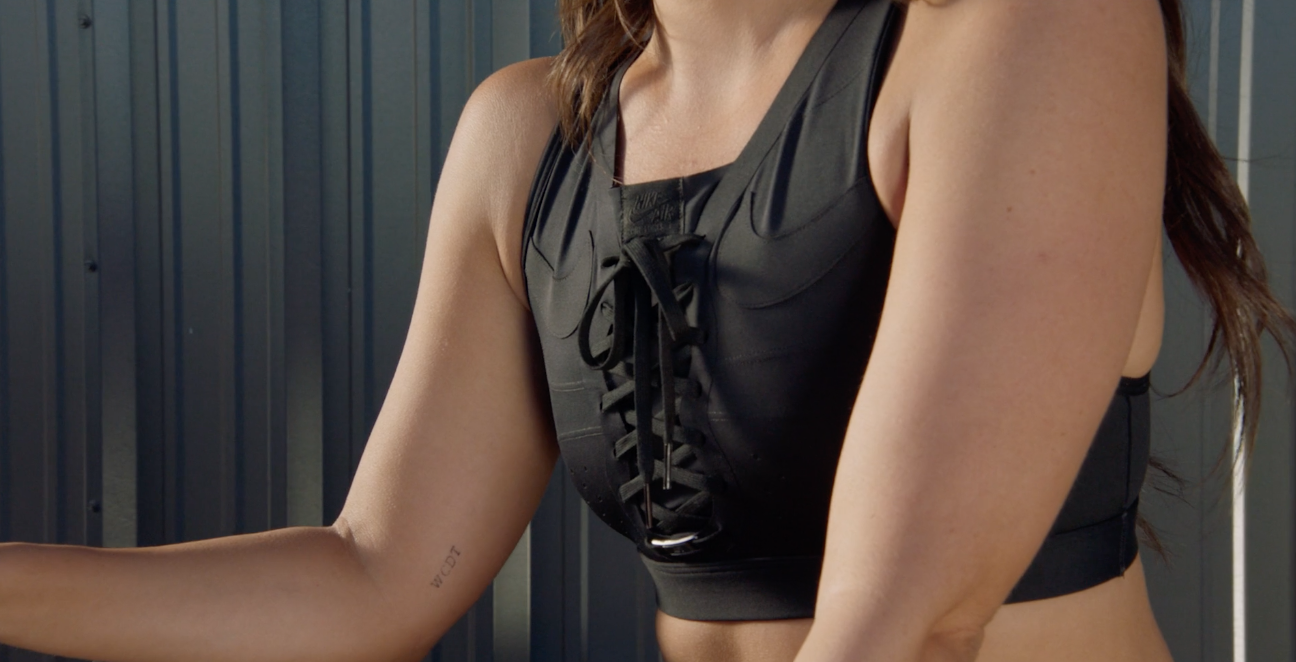
QQD adding shape to dark apparel.
Breaking Down the QQD Lighting Framework
1. Quality of Light: The Emotional Texture
Quality refers to the hardness or softness of light. This is your most immediate tool for setting a scene’s emotional tone.
· Hard Light (direct sun, focused fresnels) creates sharp, defined shadows. It conveys drama, intensity, clarity, or harshness. In a Nike training montage, hard light might emphasize struggle and definition.
· Soft Light (overcast sky, large diffusion) produces gentle, gradual shadows. It suggests approachability, romance, mystery, or safety. A brand film about community might lean on soft, enveloping light.
The quality tells the audience how to feel about what they’re seeing before a single word is spoken.
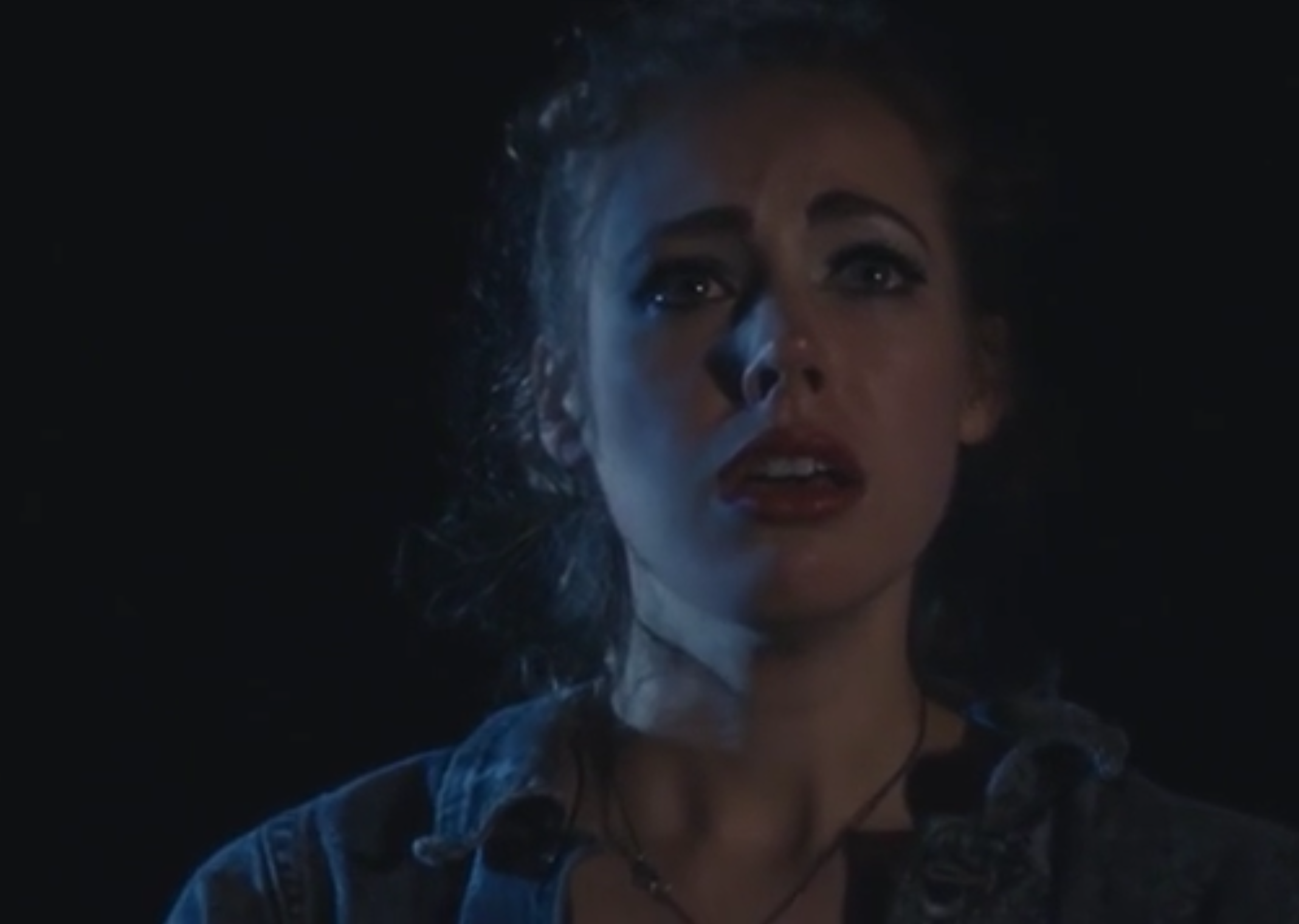
The quality of light helping express emotion.
2. Quantity of Light: Controlling Contrast and Focus
Quantity isn’t just about brightness; it’s about the ratio and control of light. It determines where the eye travels and the visual priority within the frame.
· High-Key Lighting (abundant, even light) feels open, optimistic, or clinical. Think infomercials or comedies.
· Low-Key Lighting (restricted, high-contrast light) feels somber, suspenseful, or dramatic. Think noir or horror.
· Chiaroscuro (the artful balance of light and shadow) uses quantity to reveal or conceal, guiding the audience’s attention. A subject’s eyes might be lit while their surroundings fall away, creating intimacy and focus.
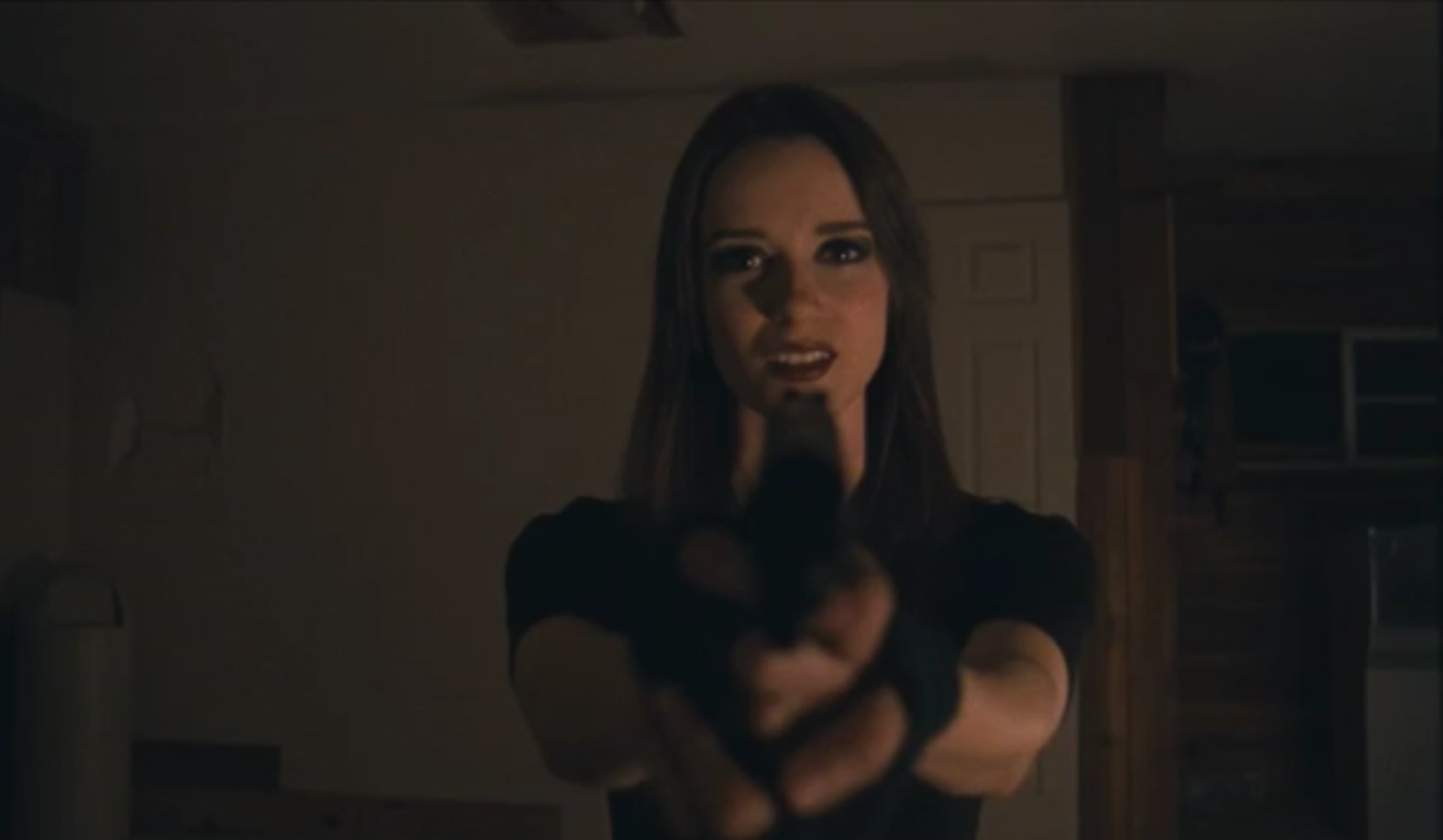
The eye is drawn to the brightest part of the frame.
3. Direction of Light: Sculpting Depth and Subtext
Direction defines the source and how it models the subject. It creates dimension and implies a world beyond the frame.
· Frontal Light minimizes shadows, often feeling flat, direct, or “honest.” Used in news or beauty shots.
· Side Light sculpts features, revealing texture and contradiction, duality, or ruggedness. Perfect for a character in conflict.
· Backlight separates the subject from the background, creating a halo effect that suggests hope, isolation, or majesty.
· Underlighting (light from below) feels unnatural, eerie, or dramatic.
· Top Light (light from above) can feel godly, isolating, or clinical.
A single face can tell a dozen different stories just by changing the direction of the key light.
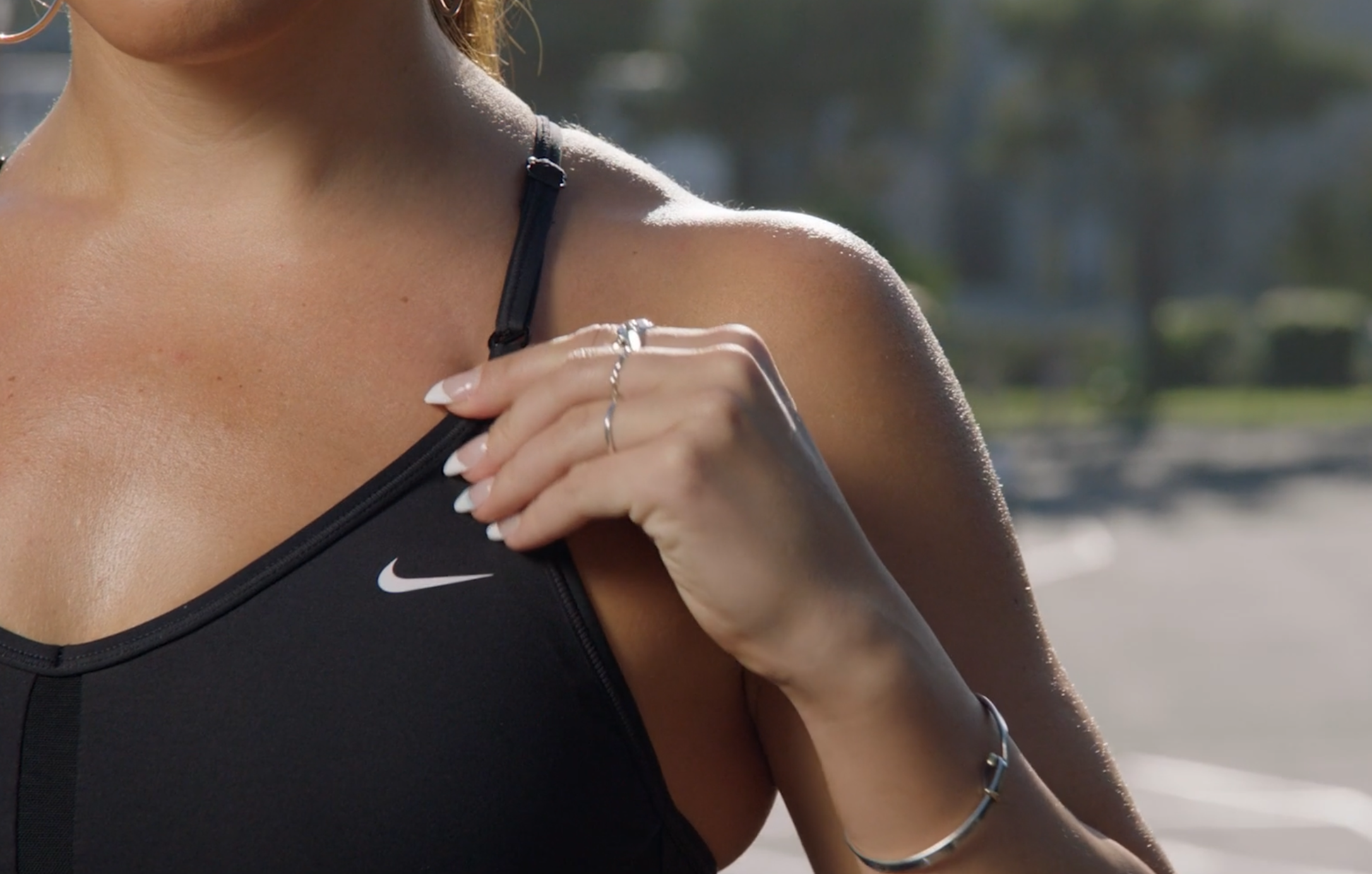
The backlight helps separate the model from the background.
Applying QQD: From Theory to Set
Let’s say a scene calls for vulnerability after a defeat.
· Quality: I’d choose soft light to avoid harshness and allow for a gentle, introspective mood.
· Quantity: I’d use low-key lighting, letting large portions of the frame fall into shadow to focus solely on the emotional moment on the actor’s face.
· Direction: A ¾ backlight or side light might sculpt the subject while keeping their eyes partially in shadow, visualizing internal conflict.
The combination of these three choices creates a cohesive, motivated visual that supports the performance and the story.
Conclusion: Your New Lighting Mindset
QQD—Quality, Quantity, Direction—is more than a checklist. It’s a decision-making engine for cinematographers. Next time you’re planning a shot, on set, or even watching a film, break down the lighting using this framework. Ask yourself:
· What is the Quality telling me?
· How does Quantity direct my eye?
· What does the Direction imply about the world and the character?
Mastering these three elements gives you the tools to move from simply illuminating a scene to authoring the visual emotion of your project. It’s the difference between making a video and telling a cinematic story.
Ready to elevate your visuals? As a Director of Photography specializing in commercial cinematography for brands like Nike, I use frameworks like QQD to ensure every project achieves its unique visual language.